Chiropractic care that goes beyond the adjustment
At Harvard Square Chiropractic, we combine spinal adjustments with a range of hands-on techniques to treat the whole problem — not just the part that hurts right now.
What is chiropractic care, actually?
Chiropractic care focuses on the diagnosis and treatment of musculoskeletal conditions — problems with muscles, joints, nerves, and connective tissue that affect how your body moves and feels. The spinal adjustment is the technique most people associate with chiropractic, but it's often just the starting point.
Our providers assess your full movement picture: where the restriction is, what's causing it, what's compensating for it, and what needs to change for the improvement to actually hold. Treatment plans are built around what we find — not a standard protocol applied to everyone who walks in with back pain.
We see patients for a wide range of conditions, from acute injuries and chronic pain to postural strain, sports performance, and preventive care. If you're not sure whether chiropractic is right for what you're dealing with, call us — we'll tell you honestly.
How we treat

Chiropractic Adjustment

Soft Tissue Mobilization
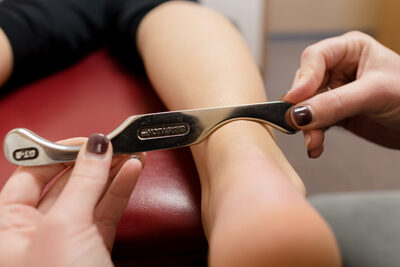
Graston Technique

Cupping

Dry Needling

McKenzie Technique

Therapeutic Exercise & Rehab

Kinesiology Taping
Who comes to see us
Our patient mix is about as Cambridge as it gets — graduate students and researchers, desk workers logging long hours at MIT and the biotech corridor, distance runners and recreational athletes, seniors, people managing chronic conditions, and patients recovering from auto injuries. What they have in common is that they want real answers, not just temporary relief.
We treat patients of all ages and activity levels. New patients typically don't need a referral. If you're dealing with something specific, the Conditions We Treat page goes into more detail on what we commonly see and how we approach it.
Your first chiropractic visit
Your first appointment runs longer than a follow-up — typically 30 minutes. Your provider will take a thorough history, assess your posture and movement patterns, and discuss what they're finding as they go. You'll leave with a clear understanding of what's contributing to your problem and a proposed treatment plan.
Most patients receive some treatment at their first visit. Many notice improvement the same day.
We accept most major insurance plans and will verify your benefits before your first appointment so there are no surprises. Self-pay rates are also available.
Frequently Asked Questions
Most major insurance plans include chiropractic benefits, including Blue Cross Blue Shield, Harvard Pilgrim, Tufts, Aetna, Cigna, United Healthcare, and Medicare. We also accept MIT and Harvard University student health plans and auto injury claims. We verify your benefits before your first visit so you know what to expect. See our Insurance & Rates page for the full list.
Not typically. You can book directly — if your insurance plan requires a referral or physician authorization, we will let you know prior to your visit. Just schedule online and we'll take it from there.
Your first visit runs longer than a follow-up — typically 30 minutes. Your provider will take a thorough history, assess your posture and movement, and discuss their findings as they go. Most patients receive some treatment at the first visit and leave with a clear plan for next steps.
Yes. Chiropractic is one of the most extensively researched forms of manual therapy and is considered safe and effective for a wide range of musculoskeletal conditions. Our providers will always review your history and health status before recommending any technique, and will adjust their approach based on your individual needs and comfort level.
Most patients find adjustments to be relieving rather than painful. Some people experience mild soreness afterward — similar to how you might feel after a new workout — which typically resolves within a day or two. If you're nervous about a specific technique or have had a bad experience elsewhere, tell your provider. There are always alternatives.
It depends on what you're dealing with. Acute issues often respond quickly — some patients feel significant improvement after one or two visits. Chronic conditions or structural issues typically require a longer course of care. Your provider will give you an honest assessment at your first visit and won't recommend more treatment than they think you actually need.
In many cases, yes — but it depends on the type of surgery, how long ago it was, and what you're coming in for. Call us before booking and we'll let you know whether chiropractic is appropriate for your situation.
Ready to get started?
New patients are always welcome. Book online and we'll handle the insurance verification before you arrive.
